Email Spamming Basic Concepts

Jun
Introduction
Email spamming has long served as a consistent method for acquiring financial information, including credit cards and bank account credentials. While alternative fraud techniques fluctuate in effectiveness, spam campaigns remain successful due to the continued vulnerability of recipients. Despite widespread awareness, countless individuals still unwittingly submit sensitive data through fraudulent links, often under the false impression that they are updating legitimate accounts—such as PayPal—or settling fabricated invoices.
Advancements in digital tools now enable large-scale campaigns with minimal detection risks. By leveraging basic social engineering, fraudsters craft persuasive messages that evade security filters, exploiting psychological triggers such as urgency and perceived legitimacy. Unlike other fraudulent practices that require constant evolution, email spam endures because it relies on fundamental human behaviours that remain unchanged.
The Core Objective of Spam Campaigns
The essence of email spamming is singular: ensuring that fraudulent correspondence bypasses automated filters and reaches the recipient’s primary inbox. This is the decisive factor that determines success. Techniques such as deceptive subject lines, domain spoofing, and HTML manipulation serve only as secondary mechanisms in achieving this crucial objective.
Core Components of Email Campaigns
1. SMTP Servers:
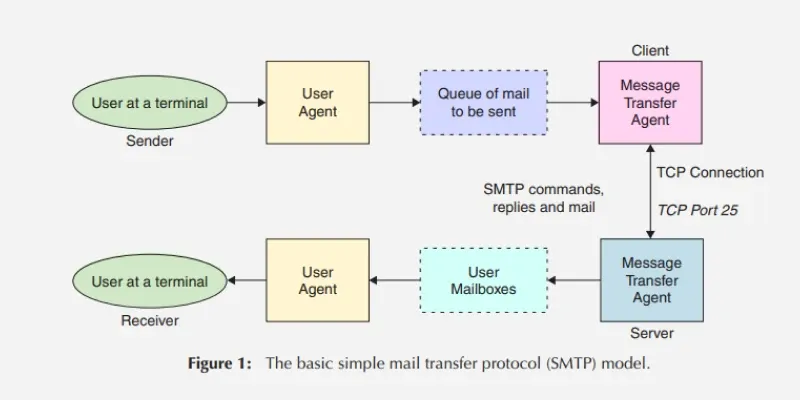
Simple Mail Transfer Protocol servers form the foundational infrastructure for email distribution across the internet. These systems are responsible for routing and delivering messages, including unsolicited campaigns. The efficacy of an SMTP server is largely determined by its reputation, which email providers assess based on historical sending patterns and associated IP addresses. This evaluation directly influences whether emails reach recipients’ primary inboxes or are diverted to spam folders.
When selecting SMTP servers, several approaches exist. While certain hosting providers market themselves as offering “clean” IPs, many enforce restrictive policies, such as blocking port 25 or imposing strict rate limits on outgoing emails. Even if access is granted, administrators typically monitor usage closely, reducing operational flexibility. A more effective alternative involves leveraging compromised SMTP credentials obtained from vulnerable servers; particularly outdated WordPress installations or misconfigured corporate networks.
It is important to note that all SMTP servers enforce operational constraints, including daily or hourly sending quotas and bandwidth limitations. Once a threshold is reached—typically after several thousand emails—delays often occur, with messages queued for hours or even days. For a campaign targeting one million recipients, 20–30 SMTP servers should optimally process approximately 75K emails per server within a 48-hour window to avoid excessive backlog.
Experienced spammers often establish their own SMTP infrastructure by leveraging bulletproof hosting services or compromised cloud accounts. While this approach demands greater initial configuration, it affords operators unparalleled control over their operations. Compromised corporate email servers are especially prized assets; their established sender reputation results in significantly enhanced deliverability rates for phishing campaigns.
2. Domain Management
For phishing domains to bypass scrutiny from email providers, they must appear entirely legitimate. This requires maintaining proper DNS records, valid SSL certificates, and other technical measures that verify domain ownership and ensure encrypted communication. Without these foundational elements, phishing emails will fail to reach their targets.
3. Email Spoofing
Although modern security mechanisms such as DMARC have diminished the effectiveness of basic spoofing techniques, it remains a highly lucrative tactic for making phishing emails appear indistinguishable from genuine correspondence. The simplistic approach of merely altering the “From” header is obsolete; today, successful spoofing requires navigating IP authorisation via SPF, cryptographic verification through DKIM, and DMARC’s overarching enforcement policies.
Some email providers enforce weak DMARC policies or accept messages despite failed authentication checks. Unprotected subdomains present another opportunity, if the parent domain’s security policies do not extend to them, they can serve as an entry point. The most effective strategy, however, involves compromising legitimate domains with functional SMTP infrastructure, leveraging their established credibility to bypass security filters.
4. Email Leads
The success of a phishing campaign hinges on the quality of the target email list. Fresh, validated leads yield significantly higher engagement and evade detection mechanisms far more effectively than outdated addresses.
The most effective phishing campaigns utilise highly targeted lists rather than indiscriminate collections of emails. For instance, a meticulously compiled register of confirmed PayPal account holders will generate substantially better conversion rates than a random assortment of addresses.
5. Mass Mailing Software
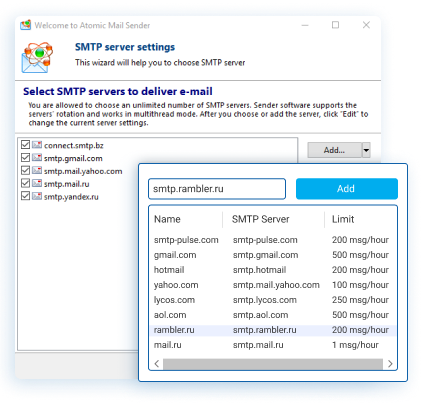
These applications serve as the operational hub for large-scale email campaigns. Platforms such as Atomic Mail Sender and Advanced Mass Sender streamline the entire process, managing server rotation, templated content distribution, delivery analytics, and blacklist surveillance.
Sophisticated systems employ automated server-switching protocols to circumvent blocking mechanisms, dynamically rotating between multiple SMTP servers to optimise deliverability while minimising detection. They provide granular performance metrics, analysing success rates per server and domain pairing to identify the most effective configurations.
5.1. Modern Email Sending Platforms
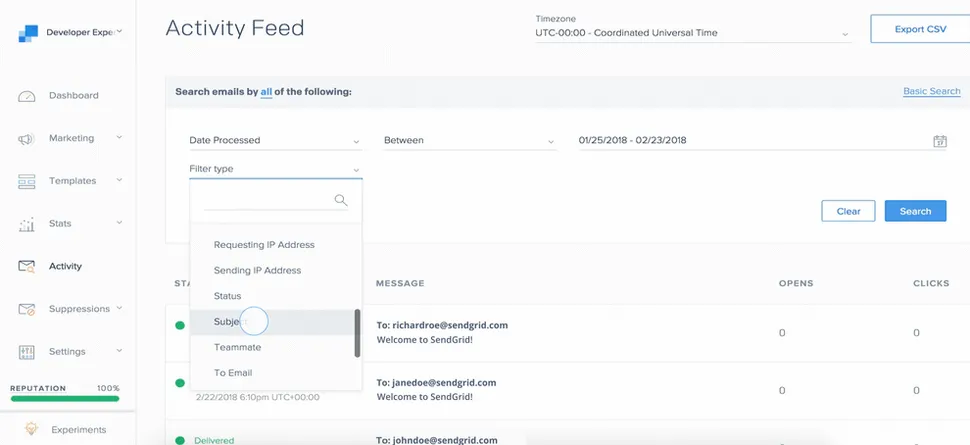
While SMTP servers and dedicated mailing software continue to serve as reliable solutions for spammers, 2025 introduces alternative vectors: reputable email service providers such as Mailchimp, SendGrid, and Resend. These platforms present a distinct methodology, leveraging pre-established IP reputations, integrated analytics, and optimised delivery mechanisms. Rather than independently managing infrastructure, spammers can utilise these existing frameworks to facilitate distribution.
This approach does not inherently surpass traditional techniques in efficacy; rather, it provides supplementary tools tailored to varying operational requirements.
Understanding Spam Filters
To effectively circumvent email security measures, it is essential to comprehend the mechanisms employed by spam filters, your primary adversary. These systems are designed to intercept and neutralise phishing campaigns before they reach their intended targets.
Key Considerations:
A. Content Analysis
The initial hurdle involves crafting messages that evade suspicion.
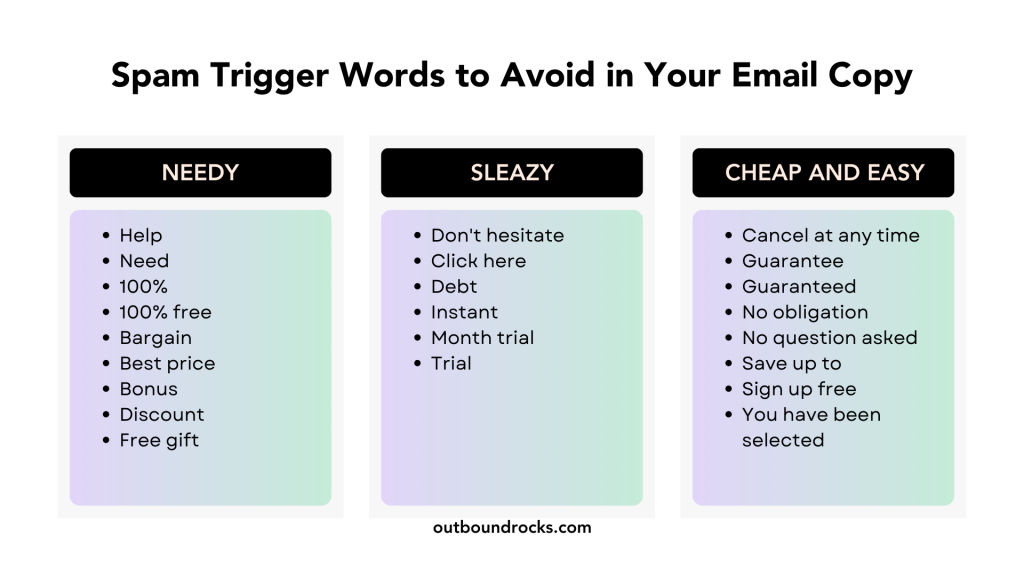
– High-risk terms (e.g., FREE, URGENT, VERIFY) in subject lines.
– Obvious phishing links or malware-laden attachments.
– Excessive imagery with minimal textual content.
– Recycled templates detected by automated systems.
Note: Avoid using outdated or widely circulated templates. Prior to deployment, test portions of your content via search engines—if results link to scam databases, the material is likely blacklisted. Always rewrite content from scratch while preserving the underlying intent.
B. Technical Verification
– Sending bulk emails from a single IP address.
– Domains registered with minimal historical data.
– Inadequate SPF, DKIM, or DMARC authentication.
– Poorly executed header manipulation.
C. Behavioural Patterns
Filters monitor operational anomalies, such as:
– Mass distribution within an implausibly short timeframe.
– High recipient-reported spam rates.
– Prolonged use of the same server infrastructure.
– Repeated deployment from blacklisted IP addresses.